

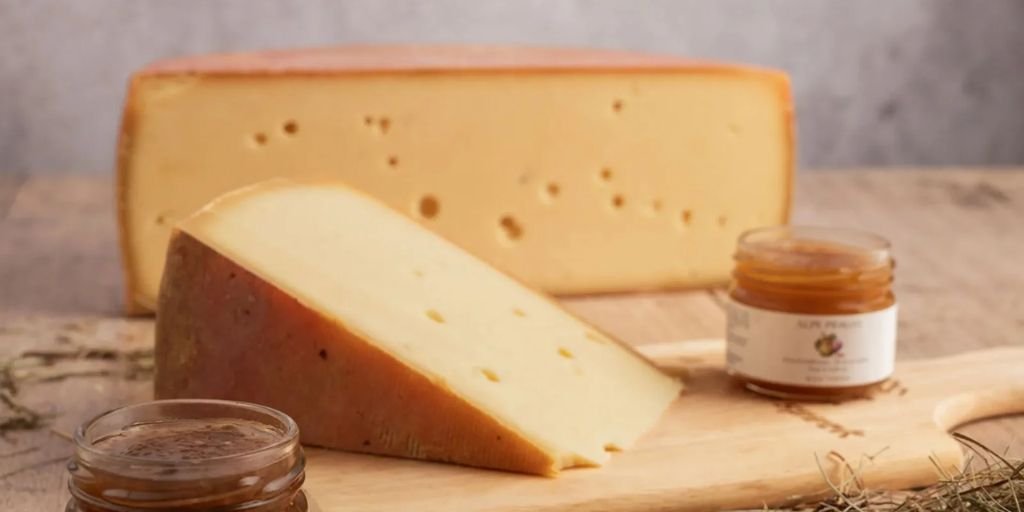
Introduction
If you’ve recently come across the term grouse cheese, you’re probably wondering what it actually is. Is it a type of cheese made from grouse birds? Does it have a gamey flavor? Or is it simply a regional name for a specialty dairy product?
The truth is that the phrase can be confusing because there isn’t a widely recognized cheese officially known by this name. In many cases, people use the term while discussing cheeses that pair well with grouse, a popular game bird, or they may be referring to a local or artisan product. Regardless of the context, exploring the idea opens the door to a fascinating world of traditional cheesemaking, flavor pairings, culinary history, and gourmet cooking.
Cheese is one of humanity’s oldest and most beloved foods. From creamy and mild varieties to intensely aged specialties, every region has its own traditions. Like a good story, every cheese develops its own personality through time, craftsmanship, and local ingredients.
In this guide, we’ll explore everything related to grouse cheese, including its possible meanings, characteristics, production methods, flavor profiles, serving ideas, nutritional value, and how to enjoy it in everyday meals.
What Is Grouse Cheese?
Understanding the Name
Unlike cheddar, gouda, or parmesan, grouse cheese is not recognized as a standardized commercial cheese variety worldwide.
Instead, the phrase generally appears in one of several ways:
- A local artisan cheese with a regional nickname
- Cheese traditionally served alongside roasted grouse
- A specialty cheese sold at farmers’ markets
- An internet search term referring to gourmet cheese pairings
This explains why finding one definitive description can be difficult.
Why People Search for It
Many food lovers encounter the term through:
- Gourmet restaurant menus
- Hunting and game recipes
- Artisan cheese shops
- Social media food photography
- Regional food festivals
Curiosity naturally follows because the name sounds unusual and memorable.
The History Behind Traditional Artisan Cheese
Cheese Has Ancient Roots
Cheese production dates back thousands of years. Historians believe early civilizations accidentally discovered cheesemaking when milk was stored in containers made from animal stomachs. Natural enzymes transformed liquid milk into curds and whey.
Since then, cheesemaking evolved into both an art and a science.
Regional Specialties
Many famous cheeses began as local family recipes before becoming internationally known.
Examples include:
- English farmhouse cheeses
- French mountain cheeses
- Italian aged varieties
- Swiss alpine cheeses
- Dutch wheel cheeses
If grouse cheese exists as a local specialty, it likely follows this same tradition of small-scale craftsmanship.
How Artisan Cheese Is Made
Step 1: Selecting Fresh Milk
Quality always begins with fresh milk.
Cheesemakers commonly use:
- Cow’s milk
- Goat’s milk
- Sheep’s milk
- Buffalo milk
Each type creates different textures and flavors.
Step 2: Adding Cultures
Beneficial bacteria are introduced to begin fermentation.
These cultures:
- Develop flavor
- Improve texture
- Help preserve the cheese
- Create unique aromas
Step 3: Forming Curds
Rennet or similar enzymes separate milk into:
- Curds
- Whey
The curds become the foundation of the cheese.
Step 4: Pressing
Depending on the desired style, curds may be:
- Softly drained
- Lightly pressed
- Firmly compressed
This determines whether the finished cheese becomes creamy or dense.
Step 5: Aging
Many artisan cheeses mature for:
- A few weeks
- Several months
- One year or more
During aging, flavor becomes deeper and more complex.
Flavor Profile and Texture
Mild and Creamy Styles
Young cheeses often feature:
- Fresh dairy flavor
- Smooth texture
- Light aroma
- Slight sweetness
These pair well with fruits and crackers.
Semi-Hard Varieties
Longer aging creates:
- Nutty flavors
- Richer aroma
- Firmer texture
- Balanced saltiness
Fully Matured Cheese
Older cheeses can develop:
- Sharp notes
- Earthy aromas
- Crystalline texture
- Deep savory taste
Think of aging like reading a novel—the longer the journey, the more layers of character are revealed.
What Makes Artisan Cheese Special?
Small-Batch Production
Unlike mass-produced products, artisan cheesemakers usually produce limited quantities.
Benefits include:
- Greater attention to detail
- Higher-quality ingredients
- Traditional methods
- Distinct regional character
Natural Ingredients
Many specialty cheeses avoid unnecessary additives.
Instead, they rely on:
- Fresh milk
- Salt
- Starter cultures
- Natural enzymes
Simple ingredients often produce the most memorable flavors.
Handcrafted Quality
Every wheel may differ slightly in:
- Appearance
- Aroma
- Texture
- Taste
These small differences reflect authentic craftsmanship rather than inconsistency.
Best Foods to Pair with Grouse Cheese
Whether you’re enjoying a mild artisan cheese or one associated with game dishes, pairing matters.
Fresh Bread
Rustic bread complements nearly every cheese.
Good choices include:
- Sourdough
- Baguette
- Whole grain bread
- Country loaf
Crackers
Neutral crackers allow the cheese to remain the star.
Avoid overly salty or heavily seasoned varieties.
Fresh Fruits
Excellent companions include:
- Pears
- Apples
- Grapes
- Figs
Their natural sweetness balances savory flavors.
Nuts
Crunch adds another layer of enjoyment.
Popular options include:
- Walnuts
- Almonds
- Pecans
- Hazelnuts
Honey
A drizzle of honey creates a beautiful contrast with aged cheeses.
Sweet and savory together often create unforgettable flavor combinations.
Cooking with Artisan Cheese
Cheese isn’t only for serving on a board. It also transforms everyday recipes into comforting meals.
Pasta
Grated aged cheese adds richness to:
- Cream sauces
- Baked pasta
- Macaroni dishes
- Ravioli
Sandwiches
Melted artisan cheese creates luxurious sandwiches.
Try pairing it with:
- Roast beef
- Turkey
- Chicken
- Grilled vegetables
Soups
Adding cheese near the end of cooking enhances:
- Potato soup
- Broccoli soup
- Mushroom soup
- Onion soup
The result is a smoother, richer texture.
Salads
Small cheese cubes instantly elevate salads featuring:
- Mixed greens
- Roasted vegetables
- Nuts
- Fresh fruit
The creamy texture contrasts beautifully with crisp vegetables.
Conclusion
Although grouse cheese is not a widely recognized or standardized cheese variety, the term has gained attention among food enthusiasts searching for artisan cheeses or gourmet pairings with grouse and other game dishes. Rather than referring to a single, specific product, it often represents the rich tradition of handcrafted cheesemaking and the art of pairing exceptional dairy products with flavorful meals.
Whether you enjoy soft, creamy cheeses or bold, aged varieties, exploring artisan cheese is a rewarding culinary experience. From understanding how cheese is made to discovering the best serving ideas, storage techniques, and nutritional benefits, there’s always something new to learn. The next time you come across the term grouse cheese, you’ll have a better understanding of its possible meanings and how it fits into the broader world of gourmet cuisine. Great cheese isn’t just food—it’s a celebration of craftsmanship, tradition, and flavor that brings people together around the table.
FAQs
1. What is grouse cheese?
Grouse cheese is not an officially recognized cheese variety. The term is commonly associated with artisan cheeses, regional specialties, or cheeses served alongside roasted grouse and other game dishes.
2. Is grouse cheese made from grouse birds?
No. Cheese is traditionally made from milk, such as cow’s, goat’s, sheep’s, or buffalo’s milk. The name does not indicate that it is made from grouse birds.
3. What foods pair well with grouse cheese?
Fresh bread, crackers, pears, apples, grapes, walnuts, almonds, honey, and fruit preserves are excellent companions for artisan cheeses associated with gourmet dining.
4. How should artisan cheese be stored?
Wrap cheese in wax paper or cheese paper and keep it in the refrigerator. Avoid airtight plastic wrapping, as it can trap moisture and negatively affect texture and flavor.
5. Is artisan cheese healthier than processed cheese?
Many artisan cheeses contain fewer additives and are made using traditional methods. They also provide protein, calcium, and essential vitamins, though they should still be enjoyed in moderation because they can be high in sodium and saturated fat.
